
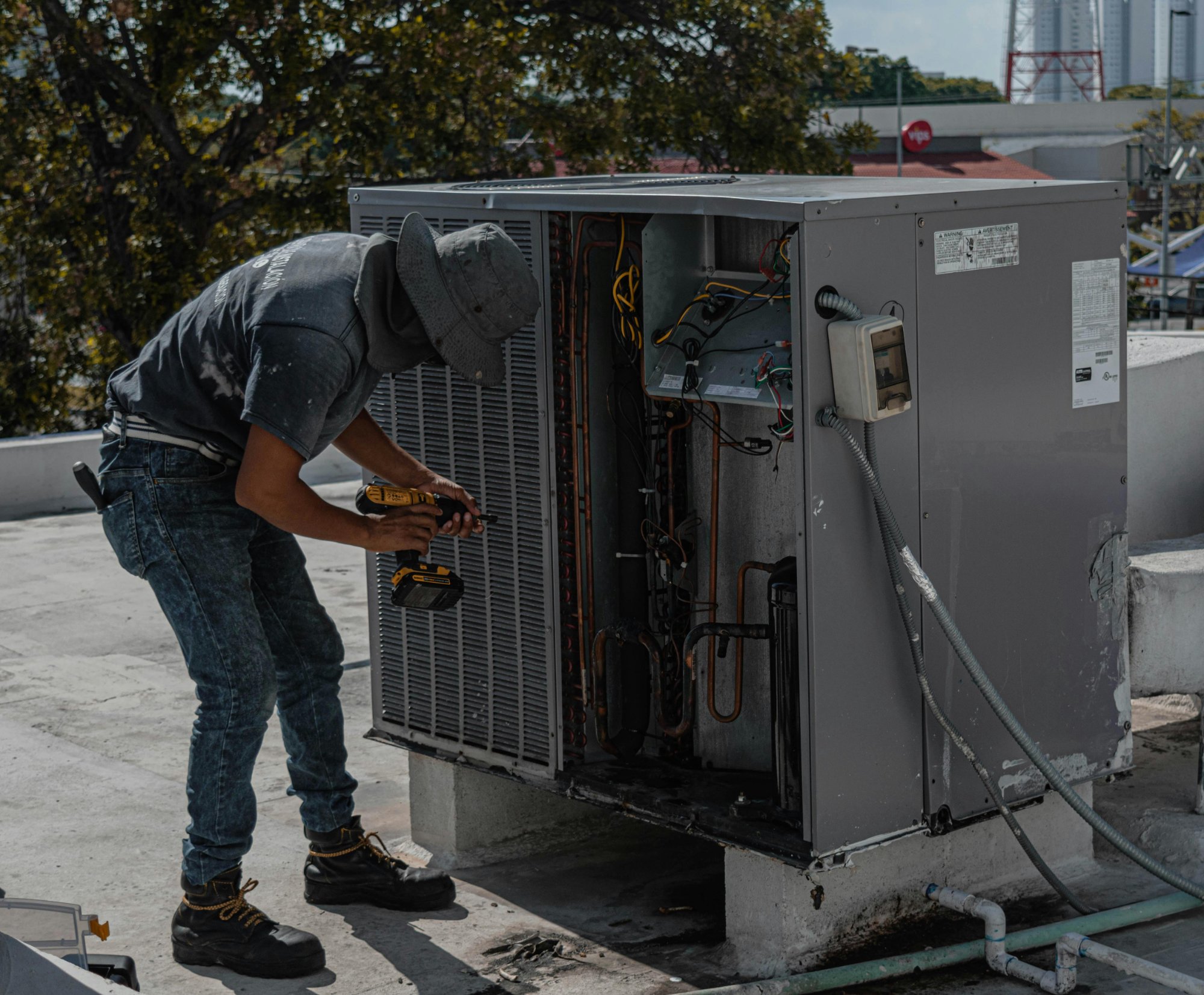
If you've gotten a quote for a new AC system recently and felt your stomach drop, you're not imagining it. The price of a new air conditioner jumped meaningfully between 2024 and 2026, and most of the articles explaining why are written for contractors, not homeowners. Here's the plain-English version, with real South Florida numbers.
The short answer: $6,000 to $14,000 installed
For a typical South Florida single-family home (a 2.5 to 4-ton system), here's what installed prices look like in 2026:
- Standard-efficiency system (SEER2 ~15): roughly $6,000-$9,000 installed, depending on tonnage and how much of the old setup can stay.
- High-efficiency system (SEER2 16-20, variable speed): roughly $9,000-$14,000+ installed.
- Component-only replacement (just the condenser, or just the air handler): $3,000-$6,500, but this is often a false economy on older systems, more on that below.
Things that push a quote up: bad or leaky ductwork ($1,500-$4,000 to correct), difficult access (attic air handlers, rooftop condensers), electrical panel work, and going up in tonnage. Things that keep it down: a straightforward swap where the line set, pad, and ducts are all reusable and up to code.
Bigger is not better. An oversized AC in Florida short-cycles, cools the air without dehumidifying it, and dies younger. If a contractor quotes you a size without doing a Manual J load calculation (or at least asking hard questions about your home), that's a red flag. We wrote a whole post on this: What size AC do I need for my Florida home?
Why prices jumped: the R-454B changeover
The biggest single reason new systems cost more now is a federally mandated refrigerant transition. Under the AIM Act, manufacturers stopped producing residential AC equipment that uses R-410A (the refrigerant in most systems installed 2010-2024) on January 1, 2025. Everything built since runs on a new refrigerant, most commonly R-454B.
The reason is climate impact: R-410A has a global warming potential (GWP) of 2,088, meaning a pound of it in the atmosphere traps as much heat as roughly a ton of CO2. R-454B's GWP is 466, about 78% lower.
For you as a buyer, the changeover meant three cost bumps: redesigned equipment (R-454B is mildly flammable, class A2L, so the units carry leak sensors and updated safety hardware), new technician training and tools, and, through 2025, plain old supply crunch. The good news: by mid-2026 the early shortage has mostly worked itself out and R-454B equipment is widely available. But the equipment itself simply costs more to build than the old R-410A generation did, and that's the new baseline.
The federal tax credit is gone. FPL rebates aren't.
This catches a lot of people out in 2026: the federal 25C energy-efficiency tax credit, the one worth up to $600 for a qualifying central AC or up to $2,000 for a qualifying heat pump, expired for equipment placed in service after December 31, 2025. If a salesperson is still promising you a federal tax credit on a 2026 install, walk away, they're either out of date or lying to you.
What still exists:
- FPL residential AC rebates for qualifying high-efficiency systems installed by a participating contractor. The amounts change by program year and system type, but it's real money and the paperwork is the contractor's job, not yours.
- Manufacturer promotions and financing. Spring and fall are the negotiable seasons. August, when every AC in Florida is running flat out and installers are booked solid, is not.
Should you squeeze another year out of the old system?
Maybe. A well-maintained system that's 10 years old and running fine doesn't need to be replaced just because refrigerants changed. Your R-410A system is still legal, still serviceable, and will be for years.
But here's the honest math: R-410A is now on a production phase-down, and its per-pound price is climbing the same way R-22 (Freon) did after its phase-out. If your older system develops a refrigerant leak, the repair bill is going to sting more every year. A $600 leak-plus-recharge repair in 2023 can easily be a four-figure conversation in 2026-2027. That's why the repair-or-replace decision has genuinely changed, we broke down the new decision math in AC repair or replace in 2026?
And if your system is 12-15+ years old, remember that Florida years are hard years. Salt air, 8-month cooling seasons, and daily thunderstorms age equipment faster than the national averages suggest. See How long should an AC last in Florida? for what realistic lifespans look like here.
How to compare quotes without getting burned
- Get the tonnage and SEER2 rating in writing. Two quotes aren't comparable unless you know you're comparing the same capacity and efficiency class.
- Ask what's included. New line set or flush of the old one? New pad, disconnect, breaker? Permit and inspection? Drain line and float switch? A cheap quote that excludes these isn't cheap.
- Ask about the warranty, both parts and labor. Ten-year parts warranties are standard on registered equipment. Labor coverage is where companies differ.
- Confirm the refrigerant. In 2026 a new install should be R-454B (or R-32). If someone offers you a great deal on new-old-stock R-410A equipment, understand what you're buying: a system whose refrigerant is already on the way out.
- Check licensing and reviews. Florida requires a state HVAC license, and the permit process exists to protect you. Unpermitted installs bite back at sale time and after hurricanes.
Thinking about replacement, or just want a straight answer on whether your current system has years left? Call (561) 503-3003 or request a free quote online. We do honest load calculations, written flat-rate quotes, and we'll tell you plainly if a repair makes more sense than a new system. Serving Palm Beach, Martin, and Broward Counties. Learn more about our AC installation service.